
A practical look at daily intake for gut health and collagen support
Quick Summary / Key Takeaways
- Most people start with about one cup (8 ounces) of bone broth per day. Some choose to drink up to two cups, or roughly 16 ounces, depending on how it fits into their routine and meals.
- Your daily amount can vary based on how you use bone broth. For example, active individuals or people using bone broth in multiple meals may naturally reach 16–24 ounces on certain days, especially if it is part of soups, grains, or recovery meals.
- Consistency matters more than volume. Drinking bone broth regularly, even in small amounts, is usually more practical than having large servings occasionally.
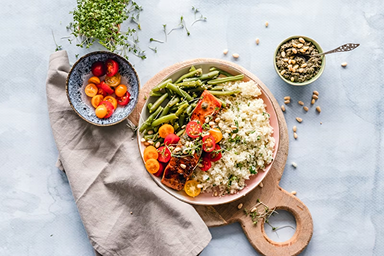
- Bone broth does not have to be consumed as a drink. Many people use it in everyday cooking by preparing rice or quinoa with it, adding it to soups, or using it to build quick sauces.
- Bone broth works best as part of a balanced diet. It is a nourishing ingredient made from slow-simmered bones and connective tissue, but it should complement other whole foods rather than replace regular meals.
Introduction

Most bone broth brands move straight to selling the product. We prefer to start with the basics. This site exists to explain what bone broth is, how it works, and how people actually use it in everyday routines. From understanding collagen-rich broth to learning practical ways to cook with it, the goal is to make bone broth simple and useful in real kitchens. Whether you are new to it or already using it regularly, this guide is here to answer the questions people ask most often.
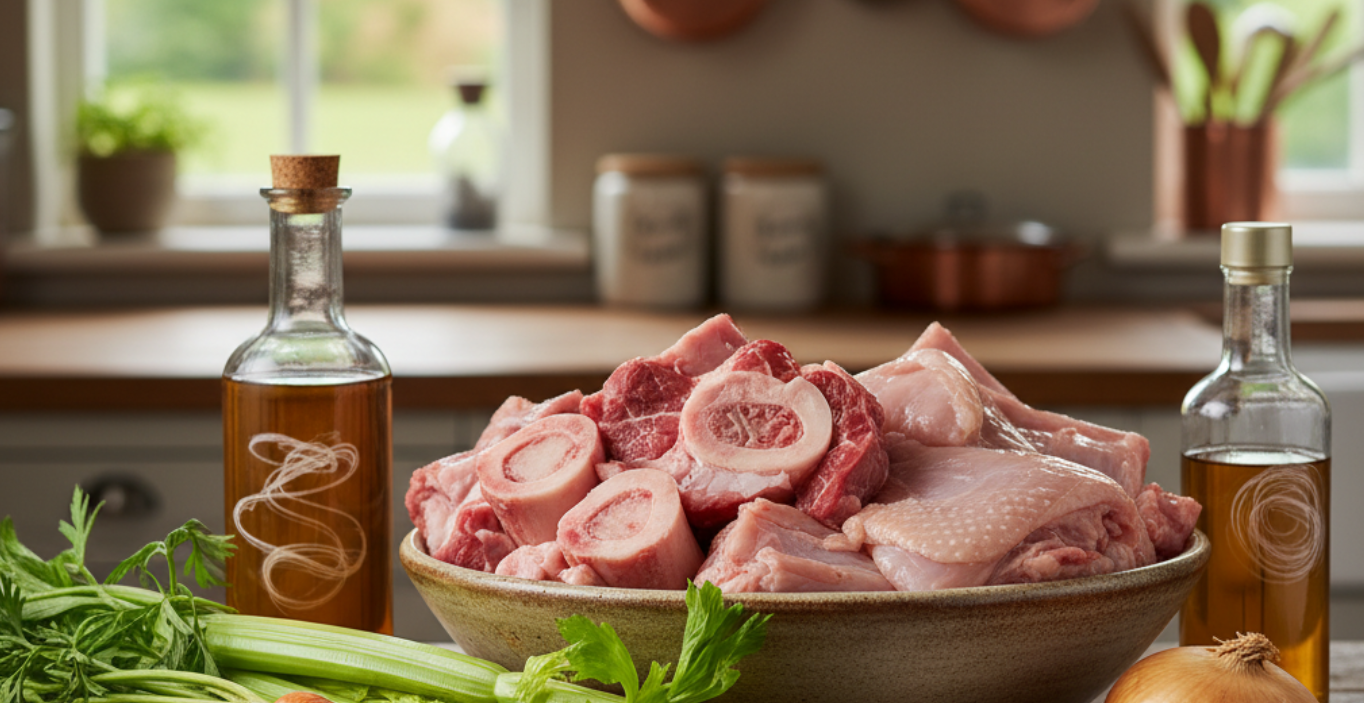
Bone broth itself is a savory liquid made by slowly simmering bones and connective tissue, which releases gelatin and naturally occurring amino acids such as glycine and proline into the broth. Many people enjoy it as a warm drink, while others use it as a base for soups, grains, or sauces. When people start incorporating bone broth into their diet, one of the most common questions is simply how much to drink. In most cases, the answer depends on routine, appetite, and how bone broth fits into the rest of your meals.
In this guide, we break down typical daily amounts, timing, and practical ways to include bone broth in your day without overcomplicating your diet. The goal is to help you find a consistent and realistic routine rather than focusing on large servings. If you want to explore bone broth prepared using the same slow-simmer principles discussed here, you can also learnmore about what we do at BoneBroth Co. once you finish the guide.
Typical Daily Bone Broth Intake Based on Routine and Use
| Use Case | Typical Daily Amount | Weekly Frequency | Practical Use |
|---|---|---|---|
| General Wellness | About 8 oz (1 cup) | Daily or several times per week | Warm cup between meals or with breakfast |
| Digestive-Friendly Meals | 8–16 oz | Daily | Sip before meals or include in soups and grains |
| Active Lifestyle Support | 12–16 oz | 5–7 days per week | Use after training or in recovery meals |
| Skin and Joint Support Routine | 8–12 oz | Daily | Drink as a warm beverage or cook grains with it |
Typical Nutrition in an 8 oz Serving of Bone Broth vs Stock
| Nutrient (per 8 oz) | Beef Bone Broth | Chicken Bone Broth | Standard Stock | |
|---|---|---|---|---|
| Protein | ~9–12 g | ~7–10 g | ~1–3 g | 1 to 2 grams |
| Collagen / Gelatin | Naturally present from connective tissue | Naturally present from connective tissue | Very low | |
| Sodium* | ~200–400 mg | ~150–350 mg | ~400 mg or more depending on seasoning | |
| Calories | ~40–60 kcal | ~35–50 kcal | ~15–25 kcal |
Bone Broth Daily Intake Setup Checklist (Before Starting a Routine)
- Choose a well-prepared bone broth. Whether you make it at home or buy it, look for broth made from slow-simmered bones and simple ingredients. Broth made from grass-fed beef or pasture-raised poultry is commonly preferred for flavor and sourcing standards.
- Start with a small serving. Many people begin with about 4 to 8 ounces of bone broth to see how it fits into their routine, especially because the gelatin content can feel rich at first.
- Pick a consistent time of day. Some people drink bone broth in the morning as a warm savory drink, while others prefer it in the evening or alongside meals. Consistency helps make it part of your daily routine.
- Store broth properly for regular use. Keep bone broth in airtight containers in the refrigerator for up to about five days, or freeze it in portions so it is easy to use throughout the week.
Bone Broth Intake and Routine Checklist (After You Begin Drinking It)
- Rotate different types of bone broth if you like variety. Beef, chicken, or fish bone broth each have slightly different flavors and nutrient profiles, which can help keep meals interesting.
- Adjust the amount based on your routine. Many people settle into 8 to 16 ounces per day, while others include bone broth in cooking rather than drinking it alone.
- Use bone broth as part of meals, not just as a drink. It works well as a cooking liquid for soups, grains, sauces, and vegetables.
- Focus on consistency rather than large amounts. Drinking or cooking with bone broth regularly over time is generally more practical than occasional large servings.
Table of Contents

Section 1: DAILY INTAKE GUIDELINES FOR BONE BROTH
Section 2: BEST TIMES AND FREQUENCY FOR DRINKING BONE BROTH
Section 3: ADJUSTING BONE BROTH INTAKE FOR DIFFERENT GOALS
Section 4: PRACTICAL WAYS TO FIT BONE BROTH INTO YOUR DAY
Frequently Asked Questions
Section 1: DAILY INTAKE GUIDELINES FOR BONE BROTH
FAQ 1: What is the standard daily amount of bone broth for adults?
For most adults, a common starting point is about one cup of bone broth per day, roughly 8 ounces. Some people choose to drink up to 16 ounces daily, depending on how they use bone broth in their routine. This amount fits easily into a balanced diet and can be enjoyed as a warm cup between meals or alongside breakfast. Because bone broth contains naturally occurring gelatin and amino acids from slow-simmered bones, starting with one cup allows your body to get used to it while keeping the habit simple.
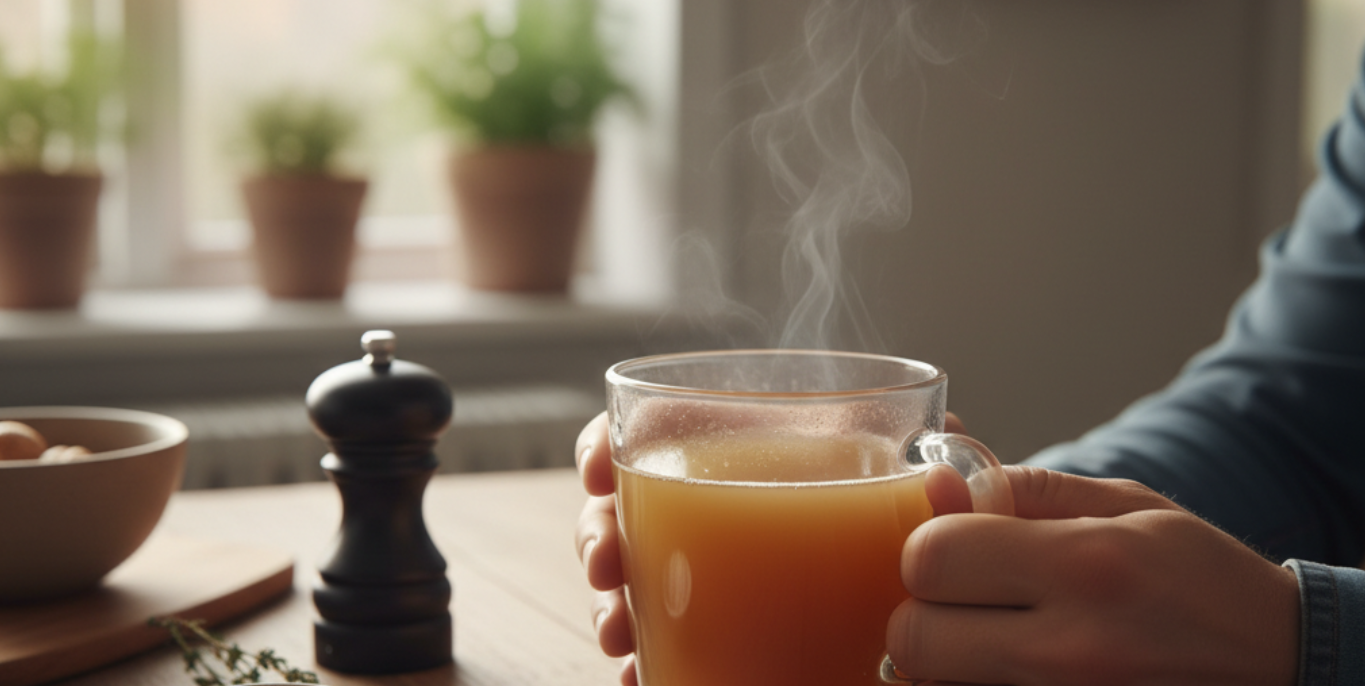
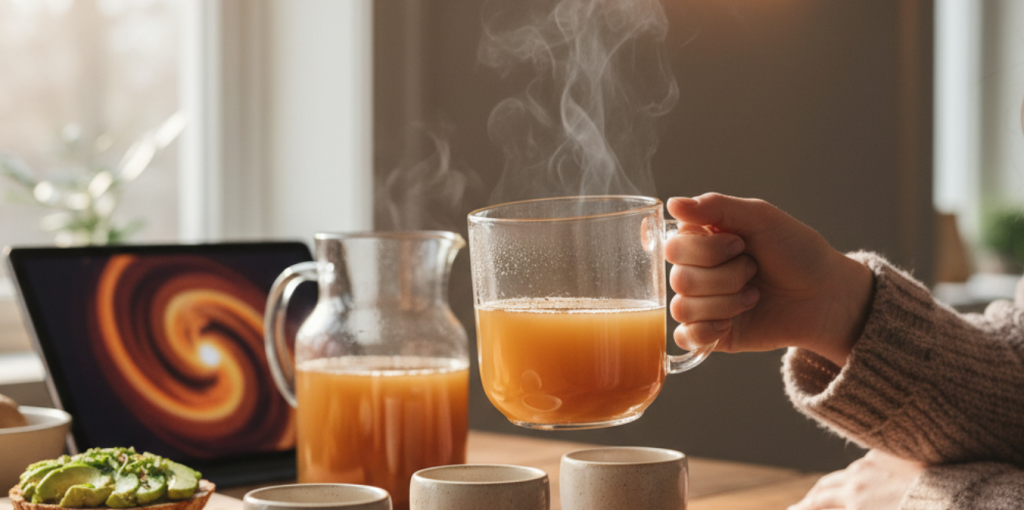
You can drink it all at once or divide it into two smaller servings during the day. Many people prefer a warm mug in the morning or mid-afternoon. The key is consistency rather than large amounts. Treat bone broth as a regular part of your routine, much like tea or a light savory drink.
FAQ 2: Can you drink too much bone broth in a single day?
Yes, it is possible to drink too much bone broth in a single day, especially if large amounts replace regular meals or push sodium intake too high. For most people, 8 to 16 ounces per day works well as part of a balanced routine. Drinking more than about 32 ounces in one day may feel heavy for some people, particularly if they are not used to the gelatin and protein naturally present in bone broth. Starting with smaller amounts and seeing how your body responds is usually the most practical approach.
It is also helpful to pay attention to sodium levels, especially with store-bought or pre-seasoned bone broth. Many people treat bone broth like a warm beverage or cooking ingredient rather than drinking multiple large servings. Using it in grains, soups, or sauces can be an easy way to enjoy bone broth without relying only on sipping it.
Section 2: BEST TIMES AND FREQUENCY FOR DRINKING BONE BROTH
FAQ 3: Is it better to drink bone broth in the morning or at night?
Drinking bone broth in the morning on an empty stomach can soothe the gut, while sipping it at night may promote better sleep. Many people prefer the morning ritual because it provides a gentle, caffeine-free energy boost to start the day. Others find that a warm cup before bed helps them relaThere is no single “best” time to drink bone broth. The most practical approach is to choose a time of day when you can enjoy it consistently. Many people prefer a warm cup of bone broth in the morning, often in place of or alongside tea or coffee. It can be an easy way to start the day with something savory before breakfast or between early meals.
Others enjoy bone broth in the evening, especially as a light, warm drink after dinner. Because bone broth is easy to digest and naturally savory, it fits well as a calming drink before bed or as part of a nighttime routine. The key factor is consistency. Drinking bone broth regularly, whether in the morning or evening, is usually more helpful than focusing on a specific time of day.
FAQ 4: How often should you drink bone broth to see real results?
Most people get the most value from bone broth when it becomes a regular part of their routine, rather than something they drink occasionally. In practical terms, many people choose to enjoy one cup of bone broth daily or several times per week, either as a warm drink or as part of cooking meals like grains, soups, or sauces. The goal is consistency, since bone broth is simply a food made from slow-simmered bones and connective tissue that provides naturally occurring amino acids and gelatin.
Rather than thinking of bone broth as a short-term cleanse, it usually works best as a long-term kitchen staple. Treat it the same way you would other nourishing foods: include it regularly, use it in cooking, and build it into habits that are easy to maintain over time.
Section 3: ADJUSTING BONE BROTH INTAKE FOR DIFFERENT GOALS
FAQ 5: How much bone broth per day is needed for gut health?
If you are including bone broth in your routine to support digestive comfort, most people simply follow the same general intake used for everyday use. That usually means about 8 to 16 ounces of bone broth per day. Bone broth contains naturally occurring gelatin and amino acids such as glycine and glutamine that come from slow-simmered connective tissue. These compounds are part of what makes bone broth a common choice in gentle, easy-to-digest meals like soups or warm beverages.
A practical approach is to sip a small cup before or alongside meals, especially if you prefer lighter foods earlier in the day. Some people enjoy a cup about 20 to 30 minutes before a meal, while others include bone broth directly in cooking, such as soups, grains, or sauces. The key is keeping the habit consistent rather than focusing on large amounts.
FAQ 6: Should athletes drink more bone broth than sedentary individuals?
Athletes sometimes choose to drink slightly more bone broth than the typical daily amount, mainly because they are already paying close attention to recovery, hydration, and overall nutrition. While the general guideline for most adults is about 8 to 16 ounces per day, some active individuals include up to 16 to 24 ounces on training days as part of their overall diet. Bone broth contains naturally occurring collagen-derived gelatin and amino acids from slow-simmered bones, which many athletes include in meals that support joint and connective tissue health.
In practice, bone broth can simply replace other liquids around meals or workouts. Some athletes enjoy a warm cup after training or with post-workout meals, while others use it as a base for soups, grains, or sauces that provide additional protein and minerals. The most important factor is still balance. Bone broth works best as one part of a well-rounded diet rather than as a primary recovery drink.
Section 4: PRACTICAL WAYS TO FIT BONE BROTH INTO YOUR DAY
FAQ 7: Can children and seniors follow the same daily intake rules?
Children and older adults can enjoy bone broth, but the portions are usually smaller than the typical adult serving. A practical range is about 4 to 8 ounces per day, depending on appetite and how bone broth is used in meals. Instead of drinking a full mug, it is often easier to incorporate bone broth into foods children and seniors already eat, such as soups, rice, mashed vegetables, or sauces. This approach keeps the flavor mild while still making use of the broth in everyday cooking.
For both age groups, it is also helpful to pay attention to sodium levels, especially when using store-bought bone broth. Choosing lightly seasoned broth or diluting it slightly with water can help keep meals balanced. In most cases, bone broth works best as a small addition to regular meals rather than a large standalone drink.
FAQ 8: What are the best ways to use bone broth if you don’t like sipping it?
If you do not enjoy drinking bone broth on its own, it can easily be used as a cooking ingredient instead. One of the simplest methods is to replace water with bone broth when cooking rice, quinoa, or other grains, which adds savory depth to everyday meals. Bone broth also works well in vegetable soups, sauces, or when deglazing a pan after sautéing vegetables or proteins. These small substitutions allow you to use bone broth regularly without needing to drink it straight.
Another practical option is to incorporate bone broth into familiar dishes. For example, you can use it when preparing savory oatmeal, braising vegetables, or making simple pan sauces. These techniques keep bone broth in your daily routine while letting it function as a flavor base in meals rather than a standalone beverage.