

Practical methods for integrating savory nutrition into your diet
Quick Summary / Key Takeaways
- Sip a warm cup of bone broth as part of your morning routine. Many people treat it like tea or a light savory drink, especially if they want something warm before or alongside breakfast.
- Cook grains like rice or quinoa in bone broth instead of water. This simple one-to-one swap adds deeper savory flavor and turns basic grains into a more satisfying base for meals.
- Use bone broth when sautéing vegetables or deglazing a pan. A few tablespoons in the skillet can loosen browned bits from the pan and build quick sauces for vegetables, grains, or proteins.
- Freeze bone broth in ice cube trays for small portions. This makes it easy to add a quick splash of broth when finishing sauces, soups, or stews without thawing a full container.
- Use bone broth in savory breakfast dishes. Cooking oatmeal or grains in bone broth, or pairing a warm cup with eggs and vegetables, is a simple way to work it into everyday meals.
Introduction

Most bone broth brands jump straight to selling the product. We prefer to start with the basics. This site exists to explain what bone broth is, how it works, and how people actually use it in everyday cooking. From understanding collagen-rich broth to learning simple kitchen techniques, the goal is to make bone broth practical, not confusing. Whether you are new to it or just want better ways to use it, you are in the right place.
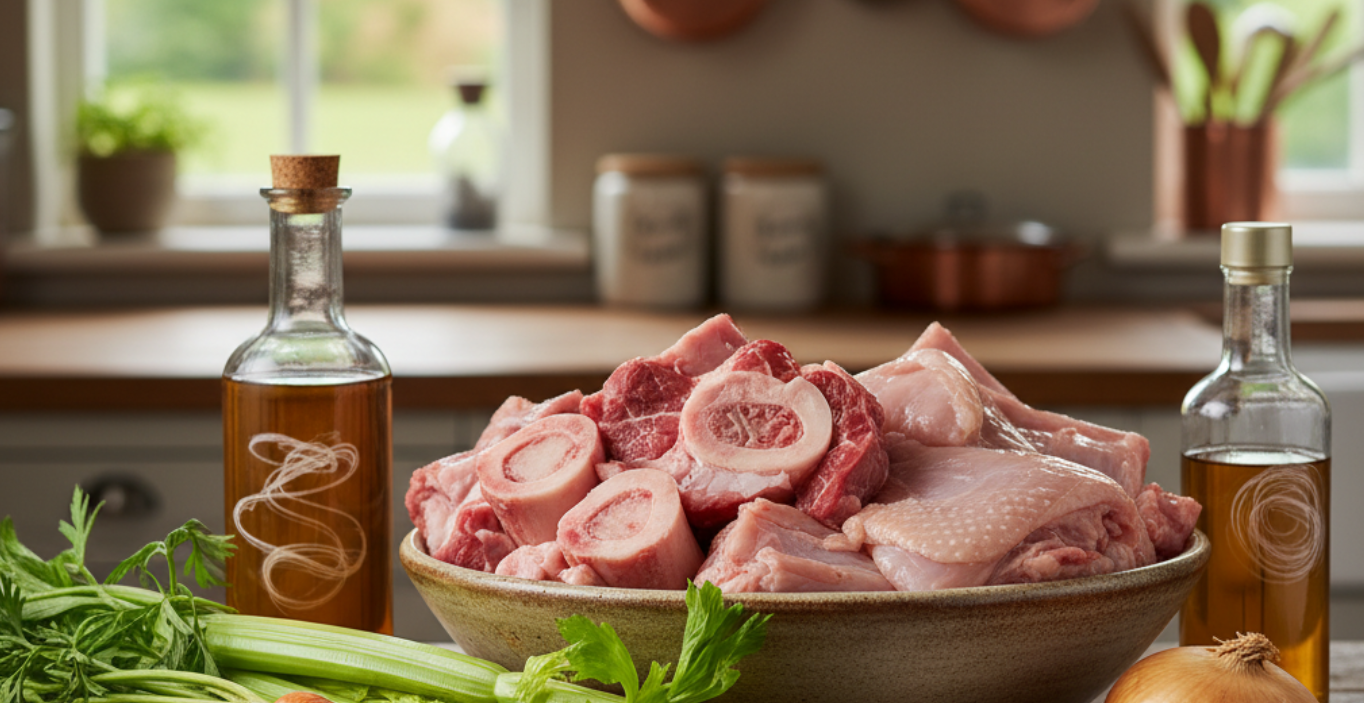
Bone broth itself is a savory liquid made by slowly simmering bones and connective tissue, which releases gelatin, amino acids such as glycine and proline, and other naturally occurring compounds into the broth. While many people first encounter bone broth in soups, it is far more versatile than that. A cup can be sipped on its own, used to cook grains like rice or quinoa, added to vegetables while sautéing, or reduced into quick sauces that add depth to everyday meals.
In this guide, we walk through eight simple ways to use bone broth in daily cooking, from morning routines to practical kitchen techniques. These are the same kinds of everyday uses we focus on when teaching people how to cook with broth in a realistic way. If you want to see how broth prepared with the same slow-simmer principles fits into that routine, you can explore more from BoneBroth Co. once you finish the guide.
Everyday Ways to Use Bone Broth in Your Kitchen
| Usage Method | How It’s Used | Difficulty | Best Broth Type |
|---|---|---|---|
| Daily Sipping | Warm a cup of broth as a simple savory drink between meals or alongside breakfast | Very Easy | Beef or Chicken |
| Cooking Grains | Replace water with bone broth when cooking rice, quinoa, or farro | Easy | Chicken or Turkey |
| Sauce Reduction | Simmer bone broth with pan drippings to create quick sauces | Medium | Beef or Veal |
| Sautéing Base | Add a few tablespoons of broth to sauté vegetables instead of oil | Easy | Light Chicken |
Practical Storage and Portioning Tips for Bone Broth
| Storage Method | Typical Storage Time | Best Use | Reheating or Use Tip |
|---|---|---|---|
| Refrigerator | About 3–5 Days | Daily sipping or quick cooking | Warm gently on the stovetop |
| Freezer Containers | Up to 6 Months | Soups, stews, and meal prep | Thaw in the refrigerator overnight |
| Ice Cube Trays | About 3 Months | Deglazing pans or small recipe portions | Add directly to hot pans or sauces |
| Vacuum Sealed (Frozen) | Up to 12 Months | Long-term storage | Check seal before thawing |
Bone Broth Daily Use Setup Checklist
- Keep prepared bone broth available in your refrigerator or freezer. Many people portion broth into jars or freeze it in small containers so it is easy to use throughout the week.
- Plan simple meals where broth can replace water or cooking liquids. For example, cooking rice, quinoa, or oats in bone broth is one of the easiest ways to add flavor to everyday meals.
- Set aside a small saucepan or mug for warming broth. A quick cup of warm bone broth can be part of a morning routine or a savory drink between meals.
- Prepare basic aromatics and ingredients that pair well with broth. Eggs, grains, vegetables, and simple sauces all work well with bone broth in everyday cooking.
Bone Broth Storage and Portioning Checklist
- Strain bone broth well if you made it at home. Using a fine-mesh sieve or cheesecloth removes bone fragments and vegetables so the broth is smooth and ready for cooking.
- Cool broth before storing it. Once it reaches room temperature, refrigerate it so it stays safe for daily use.
- Remove the solidified fat layer if desired. After chilling, the fat rises to the top and can easily be skimmed off or saved for cooking.
- Store broth in labeled airtight containers. Properly stored bone broth usually keeps about 3–5 days in the refrigerator, or longer if frozen for later use.
Table of Contents

Section 1: SIMPLE WAYS TO ADD BONE BROTH TO YOUR DAILY ROUTINE
Section 2: EASY COOKING METHODS USING BONE BROTH
Section 3: PRACTICAL MEAL IDEAS WITH BONE BROTH
Frequently Asked Questions
Section 1: SIMPLE WAYS TO ADD BONE BROTH TO YOUR DAILY ROUTINE
FAQ 1: How do I start drinking bone broth daily?
A simple way to start drinking bone broth daily is to treat it like a small routine in your day rather than a full meal replacement. Many people begin with one warm mug of bone broth in the mid-morning or afternoon, similar to how they would drink tea or coffee. Seasoning the broth lightly with sea salt, a squeeze of lemon, or herbs such as parsley can make it more enjoyable while keeping the focus on the broth itself. Because bone broth contains naturally occurring amino acids like glycine and proline, sipping a cup can be a practical way to add a collagen-rich food to your daily routine.
Another easy approach is to keep bone broth ready in the refrigerator and warm about one cup (roughly 8 ounces) when you want something savory between meals. This makes it easy to build a consistent habit without changing the rest of your diet. Some people enjoy it as a quiet morning ritual, while others use it as a warm afternoon drink instead of another caffeinated beverage.
FAQ 2: Can I use bone broth in my morning coffee?
You technically can add bone broth to coffee, but most people prefer to keep them separate. Coffee has a strong roasted flavor, while bone broth is savory, so combining the two can create a taste that many people find unusual. In practice, a simpler routine works better. Drink your bone broth first as a warm savory cup, then follow it with your regular coffee. That way you still get the benefits of both without affecting the flavor of your coffee.
Some people experimenting with keto-style drinks blend small amounts of unflavored broth with butter or MCT oil, but this is more of a niche preference than a daily habit. For most routines, we recommend treating bone broth like its own beverage. A warm cup in the morning or mid-morning is usually the easiest way to add bone broth to your day.
FAQ 3: What are the best ways to use bone broth for breakfast?
One of the easiest ways to use bone broth at breakfast is to treat it as a cooking liquid instead of plain water. For example, you can cook savory oatmeal or grits in bone broth, then top them with ingredients like a poached egg, sautéed greens, or sliced avocado. The broth adds depth of flavor while turning a simple grain bowl into a more satisfying meal. Bone broth can also be used when preparing eggs. Adding a small splash to scrambled eggs or omelets helps keep them moist while giving the dish a mild savory boost.
Another simple option is to warm a small cup of bone broth alongside breakfast, especially if you prefer lighter morning meals. Many people pair it with eggs, toast, or vegetables as a warm, savory drink that fits naturally into a breakfast routine. Using bone broth this way makes it easy to add a collagen-rich ingredient to the start of your day without changing your entire breakfast.
Section 2: EASY COOKING METHODS USING BONE BROTH
FAQ 4: How can I use bone broth to improve my grains?
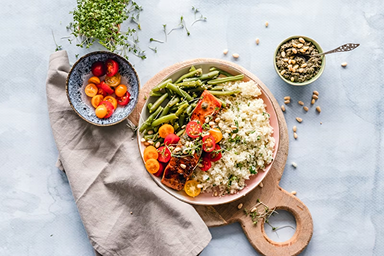
One of the easiest ways to use bone broth in everyday cooking is to replace the water when cooking grains. Rice, quinoa, farro, couscous, and similar grains can be cooked using bone broth in a one-to-one substitution for water. As the grains absorb the liquid, they also absorb the savory flavor of the broth, which makes even simple side dishes taste fuller and more balanced without adding extra ingredients.
This method works well because grains naturally soak up the cooking liquid. Using bone broth instead of plain water adds depth and turns a basic pot of grains into a more flavorful base for meals like grain bowls, soups, or vegetable dishes. It is one of the most practical ways to incorporate bone broth into everyday cooking.
FAQ 5: Is bone broth a good substitute for oil when sautéing?
Bone broth can be used instead of oil or butter when lightly sautéing vegetables such as onions, garlic, mushrooms, or leafy greens. Instead of adding fat to the pan, add a few tablespoons of bone broth and cook over medium heat. As the liquid warms, it helps soften the vegetables while preventing them from sticking to the pan. If the pan begins to dry out, simply add another small splash of broth and continue cooking.
This method works well for dishes where you want flavor without relying on added oils. Because bone broth already carries savory notes from slow-simmered bones and aromatics, it naturally adds depth to vegetables, grains, and simple stir-style dishes. It is a practical technique when you want a lighter cooking method while still keeping the dish flavorful.
Section 3: PRACTICAL MEAL IDEAS WITH BONE BROTH
FAQ 6: What to use bone broth for in vegetarian-style meals?
Bone broth can still work well in meals that are mostly plant-based, even if the dish itself does not include meat. One practical approach is to use bone broth as the cooking liquid for vegetables, beans, or grains, which helps add depth of flavor that plain water or mild vegetable stock often lacks. For example, roasted mushrooms, lentils, or root vegetables can be finished with a splash of bone broth in the pan to create a quick, savory sauce.
Another simple technique is using bone broth when poaching or braising hearty vegetables such as carrots, cabbage, or potatoes. The vegetables absorb some of the broth as they cook, which adds natural umami and a richer base for plant-forward meals. This approach works especially well in grain bowls, vegetable stews, or simple skillet dishes built around seasonal produce.
FAQ 7: Can I use bone broth in cold dishes or smoothies?
Bone broth is usually served warm, but it can also work in some cold preparations. For example, chilled soups or savory sauces can use cooled bone broth as part of the liquid base. The key is to let the broth cool completely and choose recipes where a mild savory flavor makes sense, such as vegetable-based chilled soups or cold noodle dishes.
Using bone broth in fruit smoothies is less common because the savory flavor can clash with sweet ingredients. If someone wants to experiment, a very mild chicken bone broth can sometimes blend with stronger flavors like ginger or green apple, but this approach depends heavily on personal taste. In most cases, bone broth works best as a warm drink or as a cooking ingredient in soups, grains, and sauces.
FAQ 8: How do I use bone broth to make better sauces?
Bone broth works well as a base for simple pan sauces because it already contains gelatin from slow-simmered bones. After cooking meat or vegetables, add about ½ to 1 cup of bone broth to the hot pan and gently scrape the browned bits from the bottom. Let the broth simmer for a few minutes so it reduces slightly and concentrates the flavor. This reduction naturally thickens the sauce because gelatin in the broth gives it a smoother texture.
You can keep the sauce simple or build on it by whisking in ingredients like mustard, herbs, or a small amount of butter for balance. This technique turns leftover pan drippings and bone broth into a quick sauce for chicken, roasted vegetables, or grain bowls without needing flour or heavy cream.
Ready to try real bone broth that’s made the way we teach it?
Our formula was built around the research you just read. No shortcuts. No fillers. Just nutrient-rich broth that works.